

A driveway rarely becomes dirty in just one way. The parking area may have dark oil spots, the shaded edge may look green, and the entrance may show tire marks. Although these stains share the same surface, they do not necessarily respond to the same cleaning method.
Driveway pressure washing can remove accumulated dirt and improve the appearance of suitable concrete, but some marks need targeted treatment. Others may remain because they have penetrated deeply or represent damage rather than removable residue.
Before booking, it helps to understand which results are realistic. This guide explains common driveway stains, the factors that affect removal, and what to discuss when requesting an estimate.
Which Driveway Stains Respond Best to Cleaning?
Loose dirt, mud, and general surface grime often respond well to driveway pressure washing. Oil, rust, rubber residue, and paint can be more challenging.
Concrete is porous, so contaminants may move beneath the surface. A stain’s age, depth, and source influence how much improvement is possible.
Use this comparison as a starting point rather than a removal guarantee:
| Stain or surface problem | Likely cleaning approach | What to expect |
| Dirt and mud | Controlled washing | Often a noticeable improvement |
| Algae and organic buildup | Suitable treatment and rinsing | Often removable, with possible regrowth |
| Oil and grease | Targeted cleaning before washing | Results depend on penetration and age |
| Rust | Compatible specialist treatment | Water pressure alone may be insufficient |
| Tire marks | Assessment and suitable treatment | Some marks may remain |
| Paint or coatings | Separate removal assessment | Often outside routine cleaning |
| Etching and surface deterioration | Repair assessment | Cleaning cannot reverse damage |
Dirt and Mud: A Good Starting Point
Traffic, garden work, and rain can leave soil across the driveway. Fine particles collect in textured concrete, gradually making the surface look darker.
For suitable, sound concrete, driveway pressure washing can lift this accumulated material and create a cleaner appearance. The improvement may be especially visible along edges where dirt has built up.
However, not every dark area is ordinary grime. A patch may contain oil, organic growth, or discoloration beneath the surface.
A provider should inspect the driveway first rather than assume that every mark will disappear during a general wash. This also helps identify cracks, loose material, and finishes requiring extra care.
Oil Stains: Why Water Alone May Not Be Enough
Oil marks often appear beneath parked vehicles or near areas used for maintenance. Fresh spills and long-standing stains can behave differently because older contamination may have penetrated farther into the concrete.
When discussing pressure washing oil stains on driveway surfaces, ask whether targeted oil treatment is included. A compatible cleaner may help loosen contamination before rinsing, but complete removal is not guaranteed.
Driveway pressure washing may improve the appearance while leaving a faint shadow where oil has soaked in.
For a fresh spill, avoid immediately spreading it with water. Follow appropriate spill-cleanup guidance, collect contaminated material, and address the source so the same spot does not reappear.
Algae: Clean the Buildup and Consider the Conditions
Green or dark organic buildup commonly appears where the driveway remains damp or receives limited sunlight. Shaded edges and areas near dense landscaping deserve particular attention.
To remove algae from concrete driveway surfaces, the cleaning method should address the buildup without unnecessarily damaging the material underneath.
Driveway pressure washing may form part of that process, along with a suitable treatment where appropriate. Simply increasing pressure is not the best response to every green patch.
After cleaning, inspect the conditions encouraging growth. Sprinklers repeatedly wetting the driveway, persistent puddles, and heavy shade can allow buildup to return.
Cleaning can improve the surface, but it cannot permanently change those surrounding conditions.
Rust Stains: A Different Type of Problem
Orange or brown marks may develop beneath metal furniture, tools, containers, or other rusting objects. Some lawn products can also leave rust-like discoloration.
Rust stains on concrete driveway surfaces often require a treatment selected specifically for the stain and concrete finish. General washing may clean the surrounding area while leaving the colored mark visible.
Before driveway pressure washing, point out suspected rust spots and explain their likely source. Removing the object or correcting the exposure helps prevent repeat staining.
Do not apply a strong acid simply because it is advertised as a rust remover. Product compatibility, testing, application, and runoff control all matter. Decorative or coated concrete may require particular caution.
Tire Marks: Results Depend on the Residue
Dark wheel tracks are not always ordinary dirt. Tire marks on concrete driveway surfaces may involve rubber residue, grime, or discoloration associated with repeated vehicle contact.
Some marks improve with appropriate cleaning; others need targeted treatment or remain partly visible.
A driveway pressure washing estimate should distinguish routine surface cleaning from additional work on stubborn tire marks. Ask whether the provider expects removal, partial fading, or an uncertain result.
Avoid repeatedly concentrating the spray on one mark. Excessive pressure can alter the surrounding concrete, leaving a permanent line or patch that is more noticeable than the original stain.
Leaf Marks and Other Organic Stains
Leaves left on wet concrete can leave brown outlines or patches. Similar marks may form beneath planters or where damp debris sits for extended periods.
Removing the loose material is the first step, but the remaining discoloration may need a suitable cleaner.
Driveway pressure washing can improve these areas, although older or absorbed stains may require more attention than loose surface debris.
To reduce repeat staining, sweep away leaves before they remain wet against the driveway for long periods. Move items periodically where practical, and avoid allowing soil or plant debris to collect beneath containers.
A cleaner driveway is easier to maintain when the source of recurring marks is addressed.
Driveway Stains That Pressure Washing Cannot Remove
Some driveway stains that pressure washing cannot remove are actually changes to the concrete itself.
Examples include etched areas, exposed aggregate caused by deterioration, worn coatings, and differences between old concrete and repaired sections. Washing cannot restore missing material or make every patch match.
Deeply absorbed oil, established rust, paint, and certain chemical discolorations may also resist routine cleaning.
Effective driveway pressure washing requires knowing when to stop. Continuing to apply more force after the removable residue is gone can worsen the surface.
If the problem involves damage or failed finishes, ask an appropriate concrete specialist about repair or restoration instead.
How to Remove Stains From Concrete Driveway Surfaces
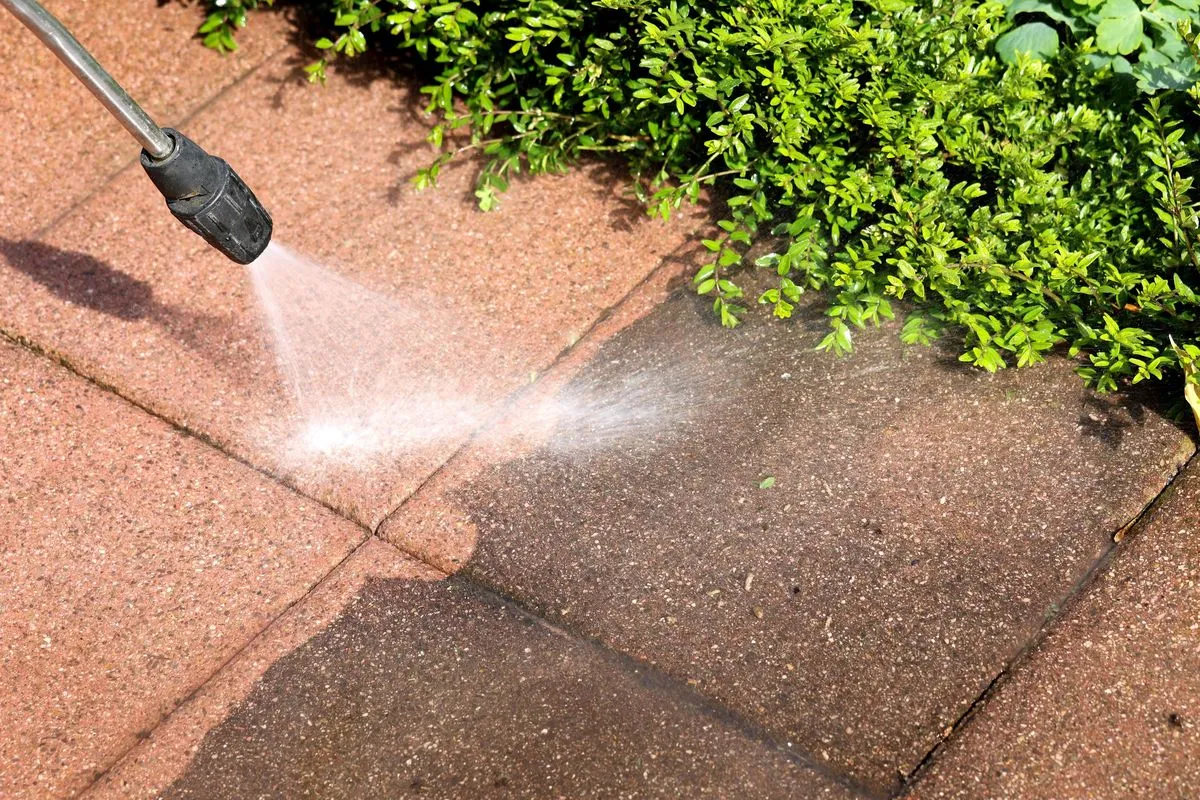
The answer to how to remove stains from concrete driveway areas starts with identifying both the contamination and the surface condition.
A sensible cleaning process includes:
- Inspecting the driveway for damage, coatings, and previous repairs.
- Identifying visible stains and discussing their history.
- Selecting compatible treatments where needed.
- Testing uncertain methods on an inconspicuous area.
- Cleaning with equipment suited to the concrete.
- Managing runoff and inspecting the dry result.
Testing first is particularly useful when treating oil stains or unfamiliar finishes, as recommended by The Concrete Institute
The final assessment should happen after drying because wet concrete can conceal differences in color.
Can Pressure Washing Damage a Driveway?
Yes. Concrete is durable, but it is not immune to cleaning damage.
Excessive force, unsuitable equipment, or prolonged spraying at close range can leave grooves and uneven marks. New concrete, deteriorated sections, decorative finishes, and coatings may need modified methods.
Professional driveway pressure washing should begin with an assessment rather than a fixed pressure setting for every property.
The appropriate method also changes across your exterior. Concrete and house siding do not necessarily tolerate the same approach.
Our guide to Soft Washing vs Pressure Washing explains why the cleaning method should match the surface.
What to Tell Clearline Before Requesting a Quote
Useful details help define the work and set realistic expectations.
Tell the team:
- Whether the driveway is concrete, asphalt, or pavers.
- Which stains concern you most.
- How long the marks have been present.
- Whether the surface has a coating or sealer.
- Whether previous cleaning left visible damage.
- Where water collects or runoff travels.
Clearline offers Pressure and Soft Washing in Fairfield County CT for suitable exterior surfaces. Discuss specialist stain treatments before assuming they are included in routine washing.
Give Your Driveway a Cleaner, More Consistent Appearance
A successful driveway pressure washing appointment starts with clear expectations: remove suitable buildup, assess stubborn stains, and respect the condition of the surface.
For a coordinated exterior refresh, explore Clearline’s Exterior Cleaning in Fairfield County CT services. Call (203) 340-1123 or request a free quote to discuss your driveway and the cleaning approach suitable for your property.
find Clearline Window Cleaning on Google Maps to schedule your gutter cleaning service.
Frequently Asked Questions
Will Cleaning Make My Driveway Look New?
It can noticeably improve dirty concrete, but the result depends on its age, condition, and staining. Repairs, deep discoloration, and wear may remain visible afterward.
Can Old Oil Stains Be Completely Removed?
Sometimes they improve substantially, but complete removal is uncertain. Oil that has penetrated deeply may leave a shadow even after appropriate treatment.
Why Does a Stain Look More Noticeable After Washing?
Cleaning the surrounding concrete can increase contrast around a stubborn mark. This does not necessarily mean the stain has worsened; the cleaner background may make it easier to see.
Is Every Driveway Suitable for the Same Method?
No. Concrete, pavers, asphalt, and coated surfaces have different requirements. Even two concrete driveways may need different handling because of age or deterioration.
How Often Should I Arrange Cleaning?
Base the schedule on visible buildup, shade, traffic, and recurring stains. Inspect periodically rather than assuming every driveway needs cleaning at the same interval.
Will Algae Return?
It can return where moisture and suitable conditions remain. Address avoidable water exposure and remove accumulating debris to help maintain the improvement.
Should I Seal the Driveway Afterward?
Sealing is a separate decision. Suitability depends on the concrete, existing finish, and product requirements. Ask a qualified professional rather than assuming every cleaned driveway needs sealing.