
SERVICE ON YOUR TIME
Pressure and Soft Washing Fairfield County CT
Surface-Safe Cleaning
We assess each surface and choose pressure washing or soft washing to remove buildup without using unnecessary force.
Powerful, Visible Results
We remove dirt, algae, mildew, pollen, and weather stains to restore a cleaner and brighter exterior.
Residential & Commercial
Professional exterior cleaning for homes, storefronts, offices, walkways, patios, driveways, and managed properties.
Flexible Scheduling
Choose convenient one-time or recurring service with clear communication and scheduling that works around your property’s needs.
A Cleaner Property Starts With the Right Washing Method
Your property deserves more than a one-pressure-fits-all cleaning service. Clearline Window Cleaning provides professional Pressure Washing Fairfield County CT homeowners and businesses can rely on to remove dirt, algae, mildew, pollen, and weather-related buildup while respecting the condition of every surface.
We carefully match the cleaning method to the material. Durable surfaces such as concrete, patios, walkways, and driveways may benefit from controlled pressure washing, while siding, painted finishes, stucco, and other delicate areas often require a gentler soft-washing approach. This allows us to deliver a noticeably cleaner exterior without applying unnecessary pressure.
Whether you need Residential Pressure Washing to refresh your home or Commercial Pressure Washing to improve the appearance of your business, Clearline provides detailed service, clear communication, and a cleaning plan tailored to your property.
EXTERIOR CLEANING DONE THE RIGHT WAY
Professional Exterior Cleaning for Fairfield County Properties
Outdoor surfaces are constantly exposed to rain, humidity, tree debris, traffic residue, pollen, and seasonal weather. Over time, this buildup can create dark marks, slippery areas, discoloration, and an uneven appearance.
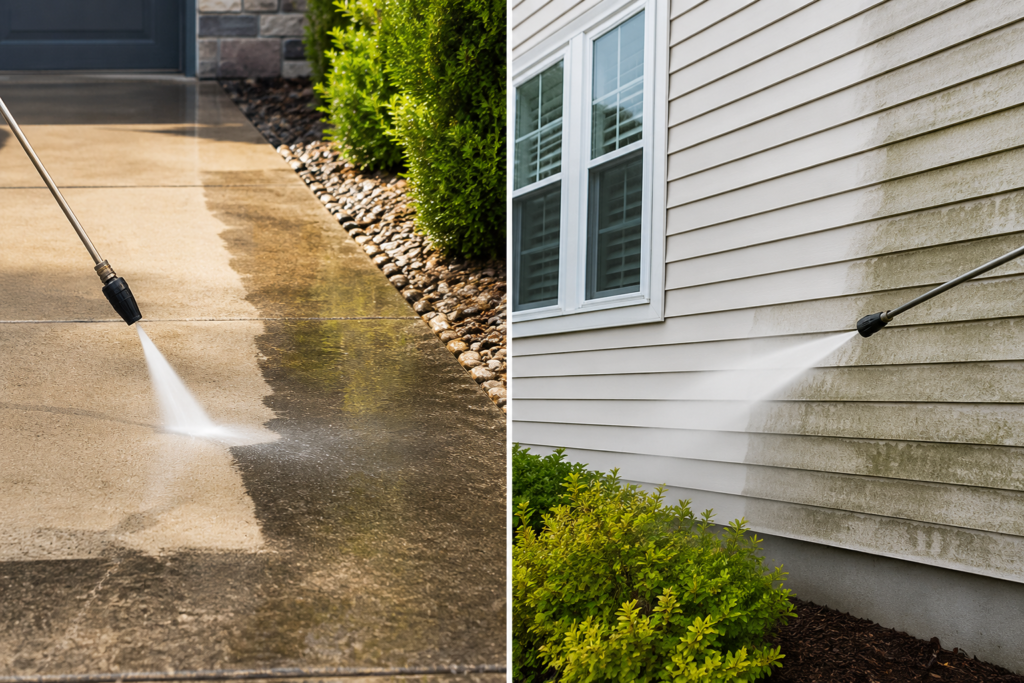
Our Pressure Washing Fairfield County CT service is designed for durable surfaces that can safely handle controlled water pressure. For more delicate exterior materials, our professional soft-washing service uses lower pressure and an appropriate cleaning process to loosen and remove organic buildup without relying on unnecessary force.
Customers sometimes search for Power Washing Fairfield County CT without knowing which method their property needs. You do not have to decide before requesting a quote. We assess the surface, the type of staining, and the surrounding property before recommending the most suitable cleaning approach.
What Is Pressure Washing Fairfield County CT?
Pressure washing uses a controlled stream of water to remove dirt and buildup from strong exterior surfaces. It is often suitable for concrete, stone, walkways, patios, and other hard materials where deeper surface cleaning is required.
Professional Pressure Washing Fairfield County CT is not simply about using the highest pressure available. Effective cleaning depends on choosing the correct equipment, distance, angle, and pressure level for each surface. Using excessive force can leave marks or damage materials, which is why the job should always be approached carefully.
Our home pressure-washing service helps homeowners remove buildup that affects the appearance of outdoor living spaces. For workplaces, storefronts, offices, and managed properties, professional exterior cleaning can create a cleaner and more welcoming first impression.
HOMES & BUSINESSES
What Is Soft Washing Fairfield County CT?
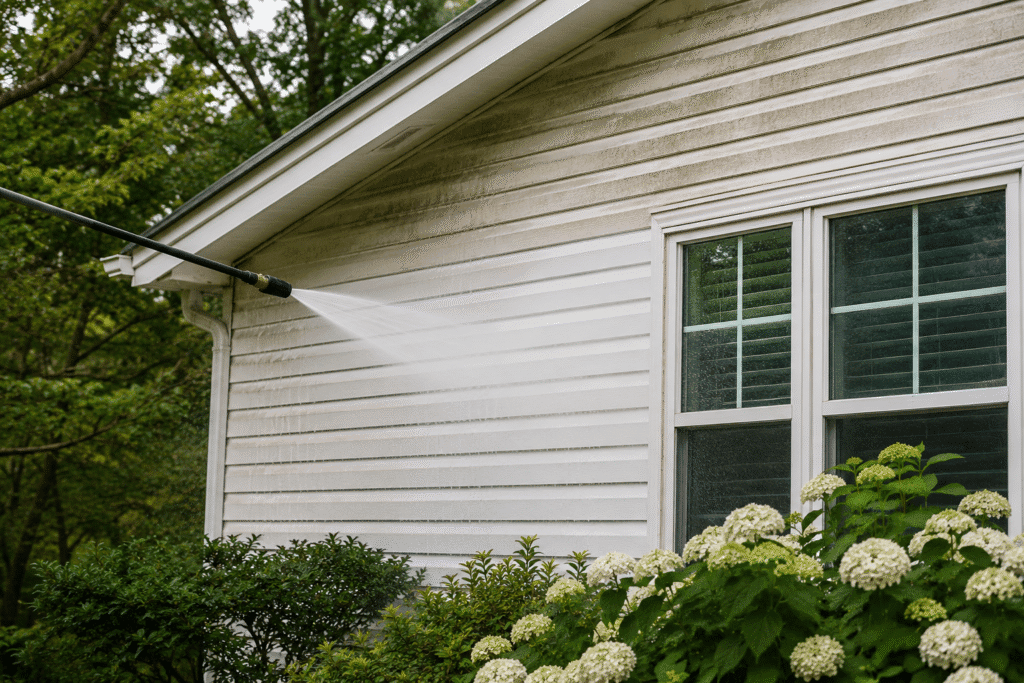
Soft washing is a low-pressure exterior-cleaning method designed for surfaces that could be damaged by aggressive water pressure. It uses an appropriate cleaning process to remove algae, mildew, dirt, pollen, and surface stains from siding, stucco, painted finishes, trim, and other delicate materials.
Our soft wash services Fairfield County CT property owners can rely on begin with a careful inspection of the surface and its condition. We then select the correct pressure level and cleaning method to achieve a thorough clean while reducing the risk of damage, paint removal, or pressure marks.
As a professional soft washing company Fairfield County CT homeowners and businesses can trust, Clearline Window Cleaning provides tailored cleaning for residential and commercial properties.
This approach helps restore a cleaner appearance and improve curb appeal without exposing every exterior area to unnecessary pressure.
Professional Soft Wash Services Fairfield County CT
Clearline Window Cleaning provides professional soft wash services Fairfield County CT homeowners and businesses can rely on for delicate exterior surfaces. Our low-pressure cleaning approach helps remove algae, mildew, pollen, dirt, and weather-related buildup from siding, stucco, painted finishes, trim, and other suitable materials without relying on excessive force.
As a trusted soft washing company Fairfield County CT property owners can contact, we begin by evaluating the material, its condition, and the type of buildup affecting it. This allows us to select an appropriate cleaning process for each area instead of treating every exterior surface the same way.
Our soft washing service is available for residential and commercial properties throughout Fairfield County. Whether you need to refresh your home’s siding or improve the appearance of a business exterior, our team provides careful service and flexible scheduling tailored to your property.
Pressure Washing vs. Soft Washing: What Is the Difference?
The main difference is the amount of pressure used and the type of surface being cleaned.
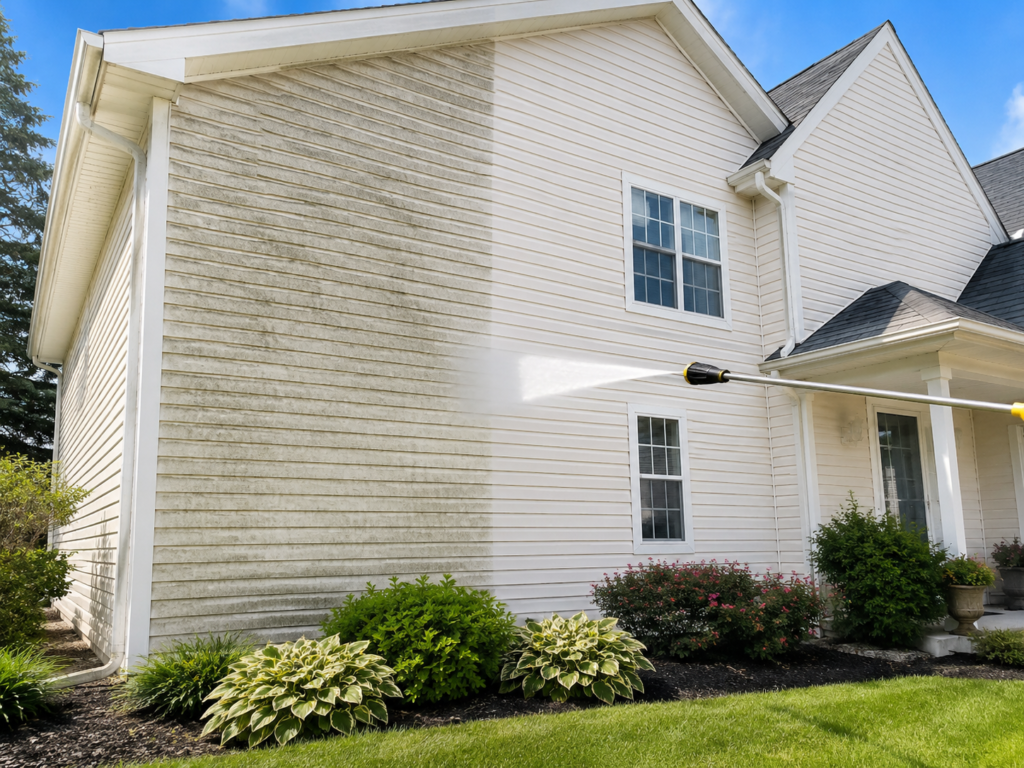
Pressure washing is generally used on durable materials such as concrete and certain types of masonry. Soft washing uses much lower pressure and is better suited to siding, painted surfaces, stucco, and other exterior areas that could be damaged by excessive force.
Although pressure washing is commonly used for outdoor cleaning, not every surface should be treated with high pressure. A professional service should determine whether pressure washing, soft washing, or a combination of both is the safest choice.
At Clearline Window Cleaning, we do not apply one method to the entire property. A driveway and a home’s siding have different cleaning needs. By adjusting the method for each section, we can provide a more complete exterior-cleaning service.
Residential & Commercial
Residential Pressure and Soft Washing
Your home’s exterior is one of the first things visitors and neighbors notice. Seasonal dirt, algae, pollen, and organic buildup can make siding, driveways, patios, and walkways appear dull, even when the rest of the property is well maintained.
Our residential pressure washing services Fairfield County CT are ideal for many hard outdoor surfaces around the home, including driveways, pathways, steps, patios, and selected masonry areas. When delicate materials are involved, we use a lower-pressure soft-washing method suited to the surface.
Professional exterior cleaning can improve curb appeal, refresh patios and outdoor gathering spaces, and remove visible dirt and organic buildup from suitable surfaces. It can also help reduce residue on selected walkways, prepare certain areas for maintenance or painting, and give your property a cleaner appearance before selling your home, hosting an event, or welcoming guests.
Pressure Washing Services We Offer in Fairfield County
Every property has different exterior surfaces and cleaning requirements. At Clearline Window Cleaning, we tailor our pressure washing services to the specific areas of your property, using the appropriate cleaning method for each surface.
Driveway Pressure Washing
Driveways can collect dirt, oil stains, algae, and other buildup over time. Professional pressure washing helps restore the appearance of concrete and other durable driveway surfaces.
Patio and Walkway Cleaning
Patios, walkways, and outdoor paths can become slippery or discolored from dirt, algae, and organic growth. The right cleaning approach can safely remove buildup and improve the appearance of these areas.
Concrete Pressure Washing
Concrete surfaces can accumulate stubborn dirt, stains, and grime. Pressure washing is an effective option for cleaning durable concrete surfaces and restoring a cleaner appearance.
House Exterior Washing
Exterior walls require a different approach depending on the material. For siding, stucco, painted surfaces, and other areas that may be sensitive to high pressure, we use a gentler cleaning method when appropriate.
Does My Whole Property Need Washing?
Not every exterior cleaning project needs to cover the entire property. You may only be concerned about a stained driveway, a dull patio, or buildup on one section of siding.
Start With the Areas That Matter to You
Tell us what you’d like cleaned. We’ll assess those surfaces and recommend a suitable approach based on their condition.
Make Your Priorities Clear
If you have a budget in mind, share it when requesting your quote. Knowing your priorities helps us recommend a scope of work for you to consider.
Decide After You Understand the Options
Request an estimate for the areas you have in mind so you can review the proposed work and cost before scheduling.
A cleaner exterior can start with a focused project. Tell us where you’d like to begin.
Get a Free Quote
Residential & Commercial
Why Choose Clearline Window Cleaning?
The Right Method for Each Surface
We understand that more pressure does not always mean better cleaning. The method is selected according to the material and condition of each area.
Residential and Commercial Service
We provide exterior cleaning for suitable residential and commercial properties throughout Fairfield County.
Detail-Focused Work
Our approach emphasizes careful preparation, consistent cleaning, and respect for your property.
Convenient Exterior Service Options
Pressure and soft washing can be coordinated with professional window cleaning, screen cleaning, or gutter cleaning for a more complete exterior refresh.
Local, Reliable Service
Clearline Window Cleaning serves homes and businesses throughout Fairfield County, CT, with straightforward estimates and flexible scheduling.
Careful Property Assessment
We evaluate the surface before beginning the work instead of assuming that every area can be cleaned with the same equipment or pressure level.
Coordinate Pressure Washing With Other Services
Exterior washing can be combined with other Clearline services to create a more complete property refresh.
Window Cleaning
Exterior surfaces may look cleaner after washing, but dirty or spotted windows can still affect the final appearance. Professional Window Cleaning Fairfield County CT helps complete the improvement.
Screen Cleaning
Window screens can collect pollen, dust, and outdoor debris. Cleaning them along with your windows and exterior surfaces creates a more consistent result.
Gutter Cleaning
Gutter cleaning Fairfield County CT removes leaves and debris that may block proper water flow. Coordinating gutter and exterior cleaning can be especially helpful during seasonal property maintenance.
DEEP EXTERIOR CLEAN
Ready for a Cleaner Exterior?
Restore the appearance of your home or business with professional pressure washing services Fairfield County CT and soft washing Fairfield County CT property owners can rely on.
Clearline Window Cleaning cleans suitable siding, driveways, patios, sidewalks, steps, concrete, and other outdoor surfaces using the appropriate method for each material.
We will assess your surfaces and recommend the appropriate cleaning method for your home or business.
Call (203) 340-1123 or request your free quote online. Explore our location and service area on Google Maps, then contact our team to discuss your property and receive a free estimate.
Frequently Asked Questions
Find answers to commonly asked questions about pressure and soft washing Fairfield County CT.
What is the difference between pressure washing and soft washing?
Pressure washing uses controlled water pressure and is generally intended for strong surfaces such as concrete, stone, and selected masonry. Soft washing uses much lower pressure and is intended for surfaces such as siding, stucco, painted exteriors, and other areas that may be damaged by excessive force.
Do I need pressure washing or soft washing Fairfield County CT?
It depends on the material being cleaned and the type of buildup. Hard surfaces may benefit from pressure washing, while siding and delicate exterior finishes may require soft washing. Clearline evaluates the surface before recommending the safest option.
Is pressure washing safe for every surface?
No. High pressure is not appropriate for every material. Delicate siding, painted surfaces, older masonry, and damaged areas may require lower pressure or a different cleaning method. This is why a professional surface assessment is important.
What surfaces can be pressure washed?
Suitable surfaces may include concrete driveways, sidewalks, patios, steps, stone, and selected masonry. The age and condition of the surface must be considered before cleaning.
What surfaces are suitable for soft washing?
Soft washing may be suitable for vinyl siding, stucco, painted exterior surfaces, trim, selected fences, and other delicate materials. We assess the property before confirming the method.
Do you offer Residential Pressure Washing in Fairfield County, CT?
Yes. clearline window cleaning provides professional residential pressure washing throughout Fairfield County, CT, including Greenwich, Darien, New Canaan, Ridgefield, Norwalk, Westport, Wilton, Weston, and Stamford. We clean suitable hard exterior surfaces such as driveways, patios, walkways, steps, concrete, and selected masonry.
Do you offer Commercial Pressure Washing Fairfield County CT?
Yes. Commercial Pressure Washing is available for suitable business entrances, sidewalks, common areas, outdoor seating areas, managed properties, and other commercial exterior spaces.
Where Can I Find Reliable Soft Wash Services Fairfield County CT?
Clearline Window Cleaning provides professional soft wash services Fairfield County CT property owners can schedule for suitable siding, stucco, painted finishes, trim, and other delicate exterior materials. Our team assesses each surface before recommending the appropriate cleaning method.
Contact Us
Get Your Free Window Cleaning Quote Today
Reach out to us for reliable and professional window cleaning services tailored to your needs.
Call: (203)-340-1123