

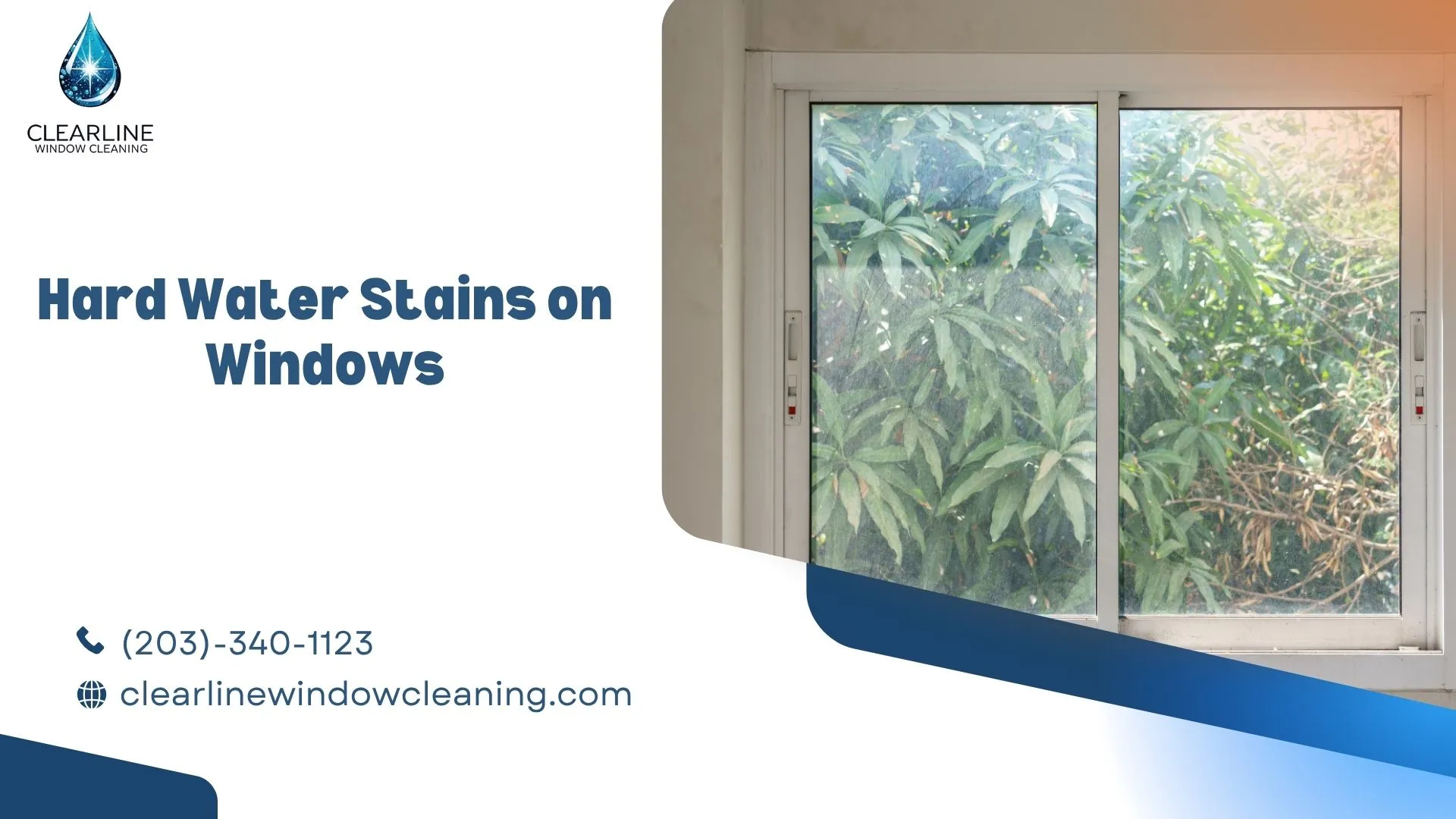
Hard water stains on windows are usually caused by mineral-rich water drying on the glass and leaving calcium, magnesium, and other deposits behind. If you are seeing cloudy patches, chalky residue, or white spots on windows, ordinary glass cleaner may not be enough to remove them.
The longer these deposits remain, the more difficult they can become to treat. Repeated scrubbing with the wrong tools may also scratch or permanently damage the glass. The safest solution is to identify the source of the water, determine how severe the buildup is, and use a cleaning method that removes the deposits without harming the window.
What Causes Hard Water Stains on Windows?
Hard water stains on windows develop when water containing dissolved minerals lands on the glass and evaporates. The water disappears, but minerals such as calcium and magnesium remain on the surface.
Over time, these deposits collect in layers and create a cloudy, spotted, or rough appearance. Common causes include:
- Lawn sprinklers are repeatedly spraying exterior windows
- Rainwater running over concrete, brick, or metal before reaching the glass
- Irrigation systems positioned too close to the property
- Water from hoses or exterior washing drying naturally on windows
- Condensation around bathroom or basement windows
- Improper rinsing after cleaning exterior surfaces
- Pool water splashing onto nearby glass
Some properties experience this problem more frequently because of their landscaping, water quality, or exposure to wind and rain. Windows near sprinkler systems, patios, pools, driveways, and exterior walls are especially likely to develop mineral buildup.
Why Do White Spots Appear on Window Glass?
The visible spots are usually dried mineral deposits rather than ordinary dirt. Calcium and magnesium are naturally present in many water supplies, and they leave noticeable marks when water droplets evaporate.
At first, the marks may look light and easy to wipe away. However, repeated exposure allows the deposits to bond more firmly to the glass.
This explains why spraying the surface with a standard window cleaner may temporarily improve its appearance without solving the underlying problem. Once the glass dries, the cloudy marks often return because the mineral layer remains attached to the surface.
Are Hard Water Stains the Same as Dirt or Soap Residue?
No. Dirt, pollen, fingerprints, and soap film usually sit on the surface and can often be removed through normal cleaning methods. Hard water stains on windows are different because minerals can create a firm deposit that does not respond to ordinary glass-cleaning products.
Mineral staining can also be confused with other window problems, including:
- Condensation between the panes
- Failed window seals
- Scratches in the glass
- Oxidation from metal screens or frames
- Salt or coastal residue
- Construction dust and debris
- Chemical overspray
- Soap residue
A professional inspection can help determine whether the problem is removable buildup or permanent damage within the window unit.
Can Hard Water Deposits Damage the Glass?
Yes, especially when the deposits are ignored for a long period. Hard water stains on windows are not only a cosmetic problem. The minerals may gradually become more difficult to remove and can contribute to surface etching.
Possible effects include:
- A permanently cloudy appearance
- Reduced visibility and natural light
- Rough areas that attract additional dirt
- Scratches caused by aggressive scrubbing
- Damage around seals and window frames
- Lower curb appeal
- Reduced clarity in property photographs
The severity of the damage depends on the type of glass, the minerals involved, the length of exposure, and the products previously used. Treating the buildup early usually provides a better chance of restoring the window’s original clarity.
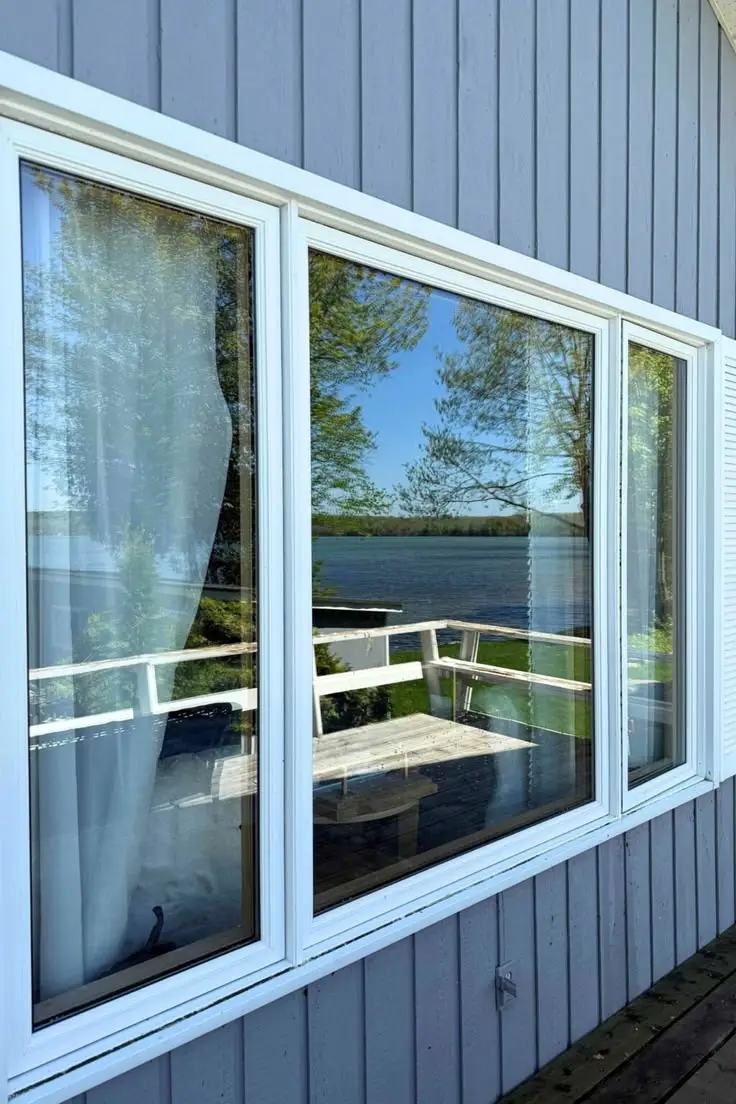
Why Regular Window Cleaner Often Fails
Most household window cleaners are designed to remove fingerprints, grease, dust, and light surface residue. They are not always strong enough to dissolve hardened mineral deposits.
When hard water stains on windows have accumulated over several months or years, repeated spraying and wiping may only clean the areas surrounding the marks. The deposits themselves remain visible.
Some homeowners respond by using abrasive pads, razor blades, strong acids, or harsh powders. However, these methods may create more damage when used incorrectly. They can scratch tempered glass, affect protective coatings, discolor window frames, or leave uneven marks.
Understanding common window cleaning mistakes is important before attempting to treat stained glass. More pressure does not always produce a better result, particularly when the surface has already been affected by mineral buildup.
How Professionals Assess Mineral Staining
Professional window stain removal should begin with an inspection rather than an aggressive cleaning attempt. The technician must first determine the following:
- Whether the deposits are on the interior or exterior surface
- How long have the marks been present
- Whether the glass has special coatings
- Whether the buildup comes from minerals, salt, oxidation, or construction residue
- Whether the glass has already been etched
- What is causing the water to reach the window
The difference between interior and exterior window cleaning also matters. Exterior windows are more likely to collect sprinkler spray, rain runoff, pollen, salt, and environmental residue.
Interior glass may develop spots from condensation, bathroom moisture, cleaning products, or water splashes. Identifying where the marks are located helps prevent the use of an unsuitable cleaning method.
How Professionals Remove Hard Water Stains
The correct method to remove hard water stains depends on the severity of the deposits and the condition of the glass. Light marks may respond to a controlled mineral-removal solution, while heavier buildup may require several treatment stages.
A professional cleaning process may include:
- Inspecting the glass and the surrounding frame
- Testing the treatment on a small area
- Removing loose dirt, dust, and debris
- Applying an appropriate mineral-deposit remover
- Allowing the product to control the contact time
- Agitating the deposits with glass-safe tools
- Rinsing the surface thoroughly
- Checking the glass for remaining buildup or etching
- Completing a final detail clean
The objective is not simply to make the window appear cleaner for a few days. Professional window stain removal should reduce the mineral layer while protecting the glass, seals, frames, and nearby exterior materials.
Can You Treat the Stains Yourself?
Some light spots may improve with careful DIY cleaning, but homeowners should not assume that every cloudy patch can be safely scrubbed away.
Before treating the glass, test a small and inconspicuous area. It is also important to determine whether the window has a coating or special finish that could be affected by acidic or abrasive products.
Avoid using:
- Unapproved steel wool
- Rough scouring pads
- Undiluted acids
- Metal tools at an incorrect angle
- Abrasive cleaning powders
- Excessive pressure
- Unidentified chemical mixtures
DIY methods are more likely to fail when hard water stains on windows are old, widespread, or already etched into the surface.
Professional assistance is also safer for upper-story windows, large panes, difficult access points, and windows positioned above sloped landscaping or delicate exterior surfaces.
How to Prevent Mineral Stains from Returning
Removing the visible spots is only part of the solution. If the source of the water is not corrected, the deposits are likely to return.
Useful prevention measures include:
- Repositioning sprinkler heads away from the property
- Checking irrigation systems for leaks and overspray
- Drying nearby glass after exterior washing
- Preventing gutters and downspouts from draining onto windows
- Cleaning light mineral deposits before they become severe
- Scheduling regular exterior window maintenance
- Inspecting frames and seals for trapped moisture
- Avoid washing windows in direct sunlight
Windows located near patios, stone walls, concrete surfaces, and swimming pools should be checked regularly. Water may collect additional minerals and residue from these surfaces before reaching the glass.
A regular maintenance schedule can be especially helpful for properties that repeatedly experience hard water stains on windows. Removing light deposits early may prevent them from developing into stubborn buildup.
Why Professional Window Cleaning Matters
Choosing professional window cleaning in Fairfield County gives property owners access to appropriate tools, safer cleaning methods, and an experienced assessment of the glass condition.
A detailed window-cleaning service may address:
- Mineral deposits
- Exterior dirt and pollen
- Frames and sills
- Window tracks
- Screens
- interior and exterior window cleaning
- Elevated and difficult-to-reach windows
This complete approach is important because the glass may not be the only affected area. Mineral residue can also collect around frames, tracks, screens, and sills.
A professional can also explain whether the marks are likely to respond to cleaning or whether permanent etching has already occurred. Setting realistic expectations prevents homeowners from repeatedly purchasing products that do not address the actual condition of the glass.
When Should You Contact a Professional?
Professional treatment should be considered when:
- The marks return after ordinary cleaning
- The surface feels rough
- The deposits cover a large area
- The windows are high or difficult to access
- You are unsure whether the glass has a coating
- Previous DIY methods have failed
- The buildup may include paint or construction residue
- Damage is visible around the frames or seals
Hard water stains on windows are usually easier to manage before they become severe. Waiting too long can make the restoration process more complicated and reduce the chance of achieving a completely clear finish.
Restore Clearer Windows with Clearline Window Cleaning
Hard water stains on windows can make an otherwise clean and well-maintained property look neglected. They can also reduce glass clarity, block natural light, and become increasingly difficult to treat over time.
The right solution begins with identifying the source of the deposits, assessing the condition of the glass, and choosing a treatment that protects the window.
Clearline Window Cleaning provides professional window cleaning in Fairfield County for homeowners who need help with stubborn mineral marks, exterior buildup, detailed cleaning, and difficult-to-reach windows.
Contact Clearline Window Cleaning today to request a quote and find out whether professional treatment can restore a clearer, brighter appearance to your windows.
Frequently Asked Questions
Can hard water stains become permanent?
Yes. If mineral deposits remain on the glass for an extended period, they may cause etching. Surface deposits can often be treated, but serious damage may not disappear completely.
Does vinegar remove mineral deposits from windows?
Vinegar may help with very light buildup, but it is not suitable for every type of glass or every level of staining. Always test a small area and never mix vinegar with other cleaning chemicals.
Why do the marks return after cleaning?
The deposits may return because they were not completely removed or because the original water source, such as sprinkler overspray, is still reaching the glass.
Can professional cleaning restore every stained window?
Not always. Professional treatment can improve many windows, but the final result depends on how long the deposits have been present and whether permanent etching has occurred.
How frequently should affected windows be cleaned?
The correct schedule depends on the amount of water exposure. Windows near sprinklers, pools, irrigation systems, or frequently washed exterior surfaces may need more regular attention.