


A window may look clean when the glass is clear, but opening it can reveal a different picture. Dust, pollen, insects, moisture, and outdoor debris often collect inside the narrow channels beneath the sash. Over time, these materials form a dark, compact layer that cannot be removed with a quick wipe. Window Track Cleaning addresses these hidden areas so the entire window looks cleaner, opens more smoothly, and does not release old dirt back into the room.
For homeowners wondering whether tracks really need professional attention, the answer depends on the amount of buildup. Light dust may be manageable during routine cleaning, but dirty window tracks containing stuck-on debris, moisture staining, or possible mold require a deeper process. Cleaning the glass alone will not remove what has settled around the moving parts, frames, and sills.
Why Do Window Tracks Become So Dirty?
Window tracks are designed to guide the sash as it opens and closes. Because these channels are narrow and often partly covered by the window or screen, dirt can remain unnoticed for months.
Outdoor air carries pollen buildup on windows, dust, soil, and small particles through open windows and screens. Rainwater and condensation can make the debris damp, causing it to stick to corners and drainage openings. Insects, pet hair, crumbs, and fibers may also settle inside the lower track.
The most common sources of buildup include:
- Dust entering through open windows
- Pollen passing through or collecting behind screens
- Dead insects and spider webs
- Pet hair and household fibers
- Soil carried by wind or storms
- Moisture from rain and condensation
- Residue left by previous cleaning products
- Paint, plaster, or construction dust
- Mold-like growth in persistently damp areas
Without regular window track cleaning, these materials become compressed each time the window moves. What begins as loose dust can eventually turn into a thick layer that is harder to remove.
Clean Glass Does Not Mean a Completely Clean Window
Many cleaning routines focus almost entirely on the glass. While clear glass improves the view, it is only one part of the window system.
A detailed service should also consider:
- Tracks
- Frames
- Screens
- Corners
- Locks and handles
- Drainage openings
- The edges of the sash
This is why complete interior window cleaning should go beyond wiping fingerprints from the glass. When tracks and frames remain dirty, the window may still look unfinished. Dust can also move from the track onto a freshly cleaned sill or become airborne when the window is opened.
Proper window frame cleaning creates a more consistent result by removing buildup from the parts surrounding the glass. It also helps identify moisture issues, damaged seals, peeling paint, or blocked drainage points that might otherwise remain hidden.
How Dirty Window Tracks Affect Window Operation
The buildup inside a track is not only an appearance problem. Packed dirt can interfere with how the sash moves, especially on sliding windows.
When debris collects around rollers or moving edges, homeowners may notice:
- The window feels difficult to open
- The sash sticks in certain positions
- A scraping sound occurs during movement
- The window does not close completely
- Locks become harder to align
- Dirt transfers onto the frame
- Water remains trapped in the lower channel
Cleaning cannot repair damaged hardware or structural problems, but removing debris may improve movement when the obstruction is caused by dirt.
Regular window track cleaning also makes it easier to inspect the area. Once the buildup is removed, homeowners can see whether there are cracks, worn seals, damaged rollers, or other issues requiring repair.
Why Frames and Sills Need Attention Too
Tracks, frames, and sills work together as one system. Cleaning one part while ignoring the others often produces an incomplete result.
The sill collects dust, condensation, plant soil, insects, and objects placed near the window. Frames may hold fingerprints, grease, cobwebs, and residue from sprays used on the glass. Exterior-facing sections can also develop pollen buildup, water spots, and environmental grime.
Professional window frame cleaning should take the frame material into account. Vinyl, painted wood, aluminum, and composite materials may react differently to moisture, chemicals, and scrubbing tools.
An overly wet process may cause problems around wooden frames, while aggressive products may discolor paint or damage finishes. Careful cleaning removes residue without treating every window material in the same way.
What Is Included in Professional Window Track Cleaning?
The exact process depends on the window design and the amount of buildup, but professional window track cleaning usually involves several controlled steps.
Initial Inspection
The cleaner first checks the track, frame, sill, and surrounding glass. This helps identify heavy soil, moisture, mold-like staining, paint residue, or fragile materials.
Removal of Loose Debris
Loose dirt may be removed using a vacuum, detailing brush, or other narrow cleaning tools. Removing dry debris first prevents it from turning into mud when moisture is introduced.
Loosening Compacted Buildup
Stuck-on grime requires controlled moisture and appropriate cleaning products. The goal is to soften the debris without flooding the track or damaging nearby materials.
Detailed Agitation
Small brushes and detailing tools can reach corners, edges, and drainage openings that a cloth cannot access. This is an important part of deep window cleaning, especially where dirt has been compressed by repeated opening and closing.
Wiping and Drying
Once the buildup has been loosened, the track is wiped carefully and dried. Remaining moisture should not be left sitting inside the lower channel.
Frame and Sill Detailing
The surrounding frame and sill are cleaned so dirt does not immediately move back into the track. This step connects window track cleaning with a complete, finished window-cleaning result.
Common Mistakes When Cleaning Tracks and Frames
Tracks look simple, but the wrong approach may spread dirt, trap moisture, or damage the finish.
One of the common mistakes when cleaning window frames is using the same strong chemical on every material. A product that works safely on vinyl may not be suitable for painted wood, coated aluminum, or specialty finishes.
Other frequent mistakes include:
Adding Water Before Removing Dry Dirt
Pouring or spraying too much water into a dusty track creates muddy residue that moves into corners and drainage holes. Dry debris should usually be removed first.
Using Excessive Moisture
Tracks may contain drainage paths, seals, screws, and moving hardware. Flooding the area can push dirty water into spaces that are difficult to dry.
Scrubbing With Abrasive Tools
Rough pads and metal tools can scratch frames, remove paint, or damage protective coatings.
Ignoring the Screens
A clean track can quickly become dirty again when a dusty screen is reinstalled. Screens should be checked and cleaned when necessary.
Closing the Window Before the Track Dries
Trapping moisture inside the channel can lead to odors, staining, or recurring buildup.
Cleaning Only the Visible Center
Most dirt collects in corners, beneath sash edges, and near small drainage openings. Wiping the middle of the track does not provide true deep Window Cleaning Fairfield County CT.
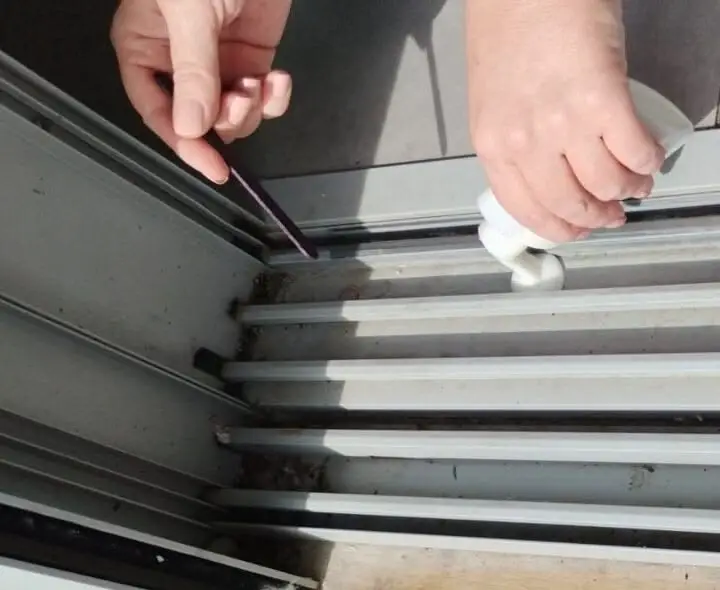
Can You Clean Window Tracks Yourself?
Many homeowners can complete light maintenance. A vacuum with a narrow attachment can remove loose dust, while a small soft brush may help reach corners. A damp microfiber cloth can then be used to wipe accessible surfaces.
However, homeowners should stop when they encounter heavy staining, unknown growth, peeling finishes, or tracks that are difficult to access. It is also important not to dismantle window parts without understanding how they fit together.
DIY cleaning may be reasonable when :
- The buildup is light and dry
- The windows are easy to access
- The frame material is in good condition
- No specialty coatings are present
- The sash moves properly
- The tracks can be dried completely
Professional assistance may be more appropriate when dirty window tracks contain years of compacted buildup, construction debris, moisture staining, or residue around delicate frames.
How Often Should Window Tracks Be Cleaned?
The correct schedule depends on how frequently the windows are opened and what conditions surround the property.
Homes near trees, busy roads, gardens, construction areas, or heavy pollen may need more frequent window track cleaning. Tracks can also become dirty faster in homes with pets or windows that remain open during warm weather.
A practical approach is to inspect the tracks during seasonal window cleaning. If loose debris is removed before it becomes damp and compressed, the deeper cleaning process is usually easier.
Consider checking tracks:
- During spring cleaning
- After the high-pollen season
- After remodeling or construction
- Before installing clean screens
- After storms carrying dust or debris
- Before preparing a home for sale
- When windows become harder to open
How Track Cleaning Supports Better Indoor Cleaning
Tracks sit directly between outdoor exposure and the interior of the home. When windows are opened, particles inside the channel may move onto the sill, floor, curtains, or nearby furniture.
Including tracks and frames in complete interior window cleaning creates a cleaner transition between the exterior and interior surfaces. It also improves the appearance of kitchens, bedrooms, living rooms, and other spaces where windows receive close attention.
The difference becomes especially noticeable when sunlight highlights dust around frames or when guests see the lower track while a window is open.
Is Window Track Cleaning the Same as Window Repair?
No. Cleaning removes dirt and buildup, but it does not repair broken locks, damaged rollers, warped frames, failed seals, or cracked glass.
A window that remains difficult to operate after cleaning may need inspection by a qualified repair professional. However, cleaning first can make it easier to determine whether the problem is caused by debris or mechanical damage.
Professional window track cleaning also provides an opportunity to notice visible issues before they become more serious.
Why Choose Professional Deep Window Cleaning Fairfield County CT?
Professional service is useful when homeowners want more than a surface-level result. A detailed cleaner can work through the glass, tracks, frames, sills, and screens in an organized order.
This prevents freshly cleaned areas from being contaminated by dirt left in another part of the window. It also reduces the risk of using unsuitable products or abrasive tools.
Clearline Window Cleaning provides detailed window cleaning services for homeowners who want clearer glass and cleaner surrounding window components. The service can be adapted to the condition, design, and accessibility of the windows rather than applying one method to every property.
Give the Entire Window a Cleaner Finish
Clean glass makes a difference, but tracks, frames, and sills determine whether the finished window truly looks detailed. Ignoring these areas allows dust and debris to remain around the edges, interfere with movement, and return to freshly cleaned surfaces.
Clearline Window Cleaning offers professional Window Cleaning Fairfield County, CT services for homeowners who need more than a quick glass wipe. From visible fingerprints to dirty window tracks, frames, sills, and screens, our team can help create a cleaner and more complete result.
Contact Clearline Window Cleaning Fairfield County CT today to request a quote and ask about detailed window cleaning for your home.
Frequently Asked Questions
Why are my window tracks black?
The dark material may be a mixture of dust, pollen, moisture, insects, and other debris. In damp areas, staining or mold-like growth may also develop. The area should be inspected before strong chemicals are used.
Does track cleaning help windows slide more easily?
It may help when dirt is obstructing the moving parts. However, damaged rollers, locks, or frames require repair rather than cleaning.
Should window screens be cleaned at the same time?
Yes, especially when dust and pollen have collected on them. Reinstalling a dirty screen can quickly transfer debris back to the cleaned track and sill.
Can I use bleach on window tracks?
Bleach is not suitable for every frame material or finish. It can discolor surfaces, affect nearby paint, and create harmful fumes when mixed with other products. Use only products approved for the specific material.
Is track cleaning included in every window-cleaning service?
Not always. Some services cover the glass only, while tracks, frames, sills, and screens may be detailed separately. Ask what is included before scheduling.